
🛒 Best Price Today on Amazon
Prime members get fast, free shipping on everything above, plus member-only deals. New members get a 30-day free trial — cancel anytime.
- Top Pick: Standby
- Best Value: Standby
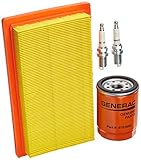
- Premium Choice: Generac 6485 Scheduled Maintenance Kit for 20kW and 22kW Standby Generators with 999cc Engine Black
Choosing between a standby and portable generator is also a choice between two very different maintenance routines. The real decision is not simply whether one machine produces more power. It is whether you want an always-ready system that needs scheduled professional attention, or a lower-cost machine that requires more hands-on preparation when bad weather threatens.
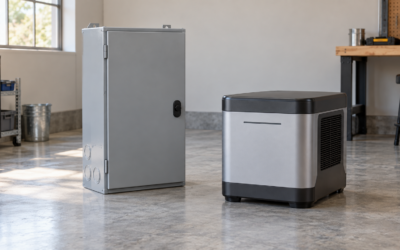
Standby generators are permanently installed outside and connected to a transfer switch. They can start automatically during an outage, but their batteries, oil, filters, exercise cycles, and fuel systems still need care. Portable generators cost less and can be stored when not needed, yet they require setup, refueling, safe connection, and more attention to fuel storage. This guide compares standby vs portable generator maintenance so you can match the workload to your home, budget, and comfort with mechanical tasks in 2026.
As an Amazon Associate we earn from qualifying purchases at no extra cost to you.



Quick Verdict
A standby generator is the better choice for convenience, frequent outages, medical equipment, whole-home coverage, or a long-term residence. Expect a typical installed cost of about $3,000 to $8,000 or more, plus roughly $200 to $500 per year for scheduled service, depending on size, fuel, location, and whether you hire a technician.
A portable generator is usually the better value for occasional outages, renters, smaller homes, and buyers who can safely perform basic maintenance. A suitable gasoline portable unit may cost about $500 to $2,000, while larger dual-fuel or inverter models can cost $1,500 to $3,500. Annual maintenance may be less than $100 when you do it yourself, or about $150 to $350 with professional service.
The short version: standby maintenance is more predictable but more expensive; portable generator maintenance is cheaper to own but demands more preparation and involvement.
Side by Side
| Factor | Standby generator | Portable generator |
|---|---|---|
| Comfort | Automatic startup, transfer, and whole-home operation; often quieter at the home’s electrical panel | Requires carrying, positioning, starting, refueling, and connecting; usually louder nearby |
| Durability | Designed for outdoor installation and repeated exercise cycles; service life commonly reaches 10–20 years with care | Often lasts 5–15 years, depending heavily on storage, fuel treatment, load, and weather protection |
| Price range | About $3,000–$8,000+ installed, including generator, pad, transfer switch, and labor | About $500–$3,500, plus cords, inlet equipment, fuel containers, and possible electrician fees |
| Maintenance | Oil, filters, battery, cooling system, exercise checks, and annual or semiannual service | Oil, air filter, spark plug, fuel system, battery if equipped, load checks, and storage preparation |
| Space needed | Approximately 3–5 feet wide and 2–3 feet deep, with required clearances around the enclosure | Roughly 2–4 feet long and 1.5–2.5 feet wide; requires dry, ventilated storage |
| Look | Permanent enclosure is visible beside the home and must comply with local placement rules | Hidden in storage when not operating, but cords and fuel equipment occupy temporary space outdoors |
| Resale | Can appeal to buyers, especially in outage-prone areas, but installation rarely returns its full cost | Easy to take with you; resale depends on age, hours, service records, and starting condition |
| Best for | Whole-home backup, frequent outages, large families, home offices, and critical medical or climate equipment | Short outages, essential circuits, rentals, cabins, tight budgets, and buyers comfortable with setup |
Where Standby Wins
The biggest advantage of a standby system is that maintenance is scheduled before you need power. Most units run an automatic exercise cycle weekly or biweekly, often for about 10–20 minutes. That exercise helps identify a weak battery, low oil, warning light, or starting problem before a storm arrives.
Routine service commonly includes an oil and oil-filter change, an air-filter inspection or replacement, spark-plug inspection, battery testing, belt and hose checks, and an examination of the enclosure and exhaust area. Liquid-cooled models may also need coolant checks. A technician can verify the transfer switch and test the system under load, which is important because an engine that starts successfully may still fail to support the expected electrical demand.
Standby units also reduce daily handling. You do not need to roll a 200- to 500-pound machine through a garage during a storm, connect heavy extension cords, or refill a tank every few hours. A typical 18- to 26-kilowatt standby generator can support many household circuits, although the exact load depends on appliances and the electrical installation.
The tradeoff is that standby maintenance is easy to overlook because the system is out of sight. A starting battery may last only two to four years, and an unused generator can still develop stale-fuel problems, rodent damage, corrosion, or blocked airflow. Many owners schedule annual service, while high-use systems or manufacturer recommendations may call for service every 200 hours or at specific calendar intervals. A maintenance kit—such as the under-$30 Generac 6485 Scheduled Maintenance Kit for 20kW and 22kW standby generators with a 999cc engine—can cover routine parts for a compatible model, but it does not replace proper installation or a load test.
Where Portable Generator Maintenance Wins
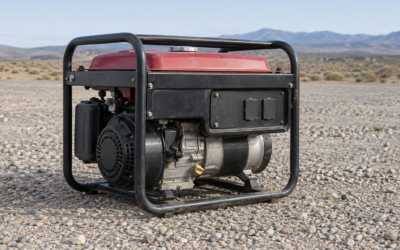
Portable generators win on ownership flexibility. You can maintain one in a garage or shed, move it to a different property, and replace it without modifying the home’s gas line or electrical service. For a buyer who experiences one or two short outages each year, that lower commitment can make more sense than paying for permanent equipment.
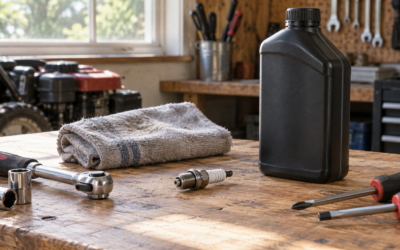
The basic maintenance list is straightforward. Change the oil after the first few hours on a new engine and then at the interval specified in the manual, often every 50–100 operating hours or at least annually. Check the air filter, inspect the spark plug, clean debris from cooling vents, and run the generator periodically with a meaningful electrical load. Inspect fuel lines and use fresh, stabilized gasoline. If the unit supports propane, confirm the hose, regulator, and tank connections are in good condition.
Storage is where portable ownership requires discipline. Gasoline can degrade in a carburetor, especially when a generator sits through several seasons. Before long-term storage, follow the manual’s instructions for draining the tank and carburetor or using fuel stabilizer. Store the unit clean and dry, but never operate it in a garage, basement, porch, or other enclosed space. Carbon monoxide can build up quickly, even when a door or window is open.
Portables also require safe electrical planning. A transfer switch or listed interlock installed by a qualified electrician is the correct way to power selected household circuits. Never connect a portable generator to a wall outlet, a practice known as backfeeding. For smaller loads, heavy-duty outdoor-rated cords may be appropriate, but their length, gauge, and amperage rating must match the generator and appliance.
Two inexpensive references can fit this maintenance approach: a standby-focused guide priced for under $20, another standby guide priced for under $20, and Portable Generator Maintenance and Repair: Petrol and Diesel Sets: Sizing, Fuel, Carburettors, Electrical Output, Storage and Safe Connection, priced for under $20. Keep the manufacturer’s manual as the primary source for oil grades, service intervals, clearances, and parts.
Cost Over 5 Years
Five-year ownership costs depend on installation and fuel use, but a practical comparison clarifies the difference.
For a standby generator, assume $3,000–$8,000 installed, $1,000–$2,500 for five years of routine service, and perhaps $200–$600 for a replacement battery or minor parts. That produces an estimated five-year maintenance and purchase total of about $4,200–$11,100 before fuel. Natural gas or propane use during outages is additional.
For a portable generator, assume $500–$3,500 for the machine and accessories, $100–$500 for oil, filters, spark plugs, covers, fuel containers, and stabilizer over five years, and $0–$1,000 for electrical installation or occasional professional service. The approximate five-year total is $600–$5,000 before fuel.
Portable equipment is therefore cheaper in most cases, but the comparison changes if you need a larger unit, a professionally installed inlet, frequent repairs, or several days of continuous operation each year. Standby equipment costs more up front but provides automatic coverage and may reduce the chance of discovering a maintenance problem during an emergency.
Which One for Your Home
Small apartment
A portable generator is generally impractical inside an apartment and may be prohibited by the building, landlord, or local fire code. A compact inverter generator might work for a detached outdoor space only if the property rules permit it and it can be operated far from doors, windows, and vents. For most apartment residents, battery power stations, building backup systems, and alternative outage plans are safer. Do not store gasoline indoors.
Family with kids or pets
Choose a standby generator if the budget allows and outages affect heating, cooling, refrigeration, sump pumps, or essential medical equipment. Automatic operation limits the need to manage fuel and cords while supervising children or animals. A portable generator can work, but it requires a locked, dry storage location, carbon monoxide alarms, careful cord routing, and an adult who can refuel and monitor it safely.
Rental
A portable generator is usually the only realistic option, subject to the landlord’s rules and local regulations. Select a model sized for essential loads rather than trying to power the entire property. Keep service records and remove the generator when you move. A permanent standby system generally requires owner approval, utility work, and an installation investment that may not transfer with you.
Long-term home
A standby generator makes the most sense when you expect to stay for many years, experience regular outages, or want whole-home convenience. Have the installer calculate starting loads for air conditioners, well pumps, furnaces, and refrigerators. Choose a portable generator when outages are rare, your essential load is modest, or you prefer a lower initial cost and are willing to handle seasonal maintenance.
FAQ
How often should a standby generator be serviced?
At minimum, follow the manufacturer’s calendar and operating-hour schedule, commonly an annual service with additional work after a set number of operating hours. Check oil, warning lights, and the exercise cycle monthly, even if a technician handles the main service.
Can I leave gasoline in a portable generator?
Only if the owner’s manual permits it and the fuel is fresh and stabilized. For seasonal storage, draining the tank and carburetor is often safer than leaving untreated gasoline in the system. Never store fuel in an unapproved container or living area.
Is standby maintenance easier than portable maintenance?
It is easier operationally because the system starts and transfers power automatically. It is not maintenance-free, however. Standby systems have batteries, filters, transfer equipment, and permanent fuel connections that require scheduled inspection and can be expensive to repair.
Which generator is cheaper to maintain?
Portable generators usually cost less to maintain, particularly when you do basic oil, filter, and storage work yourself. Standby generators offer greater convenience and capacity, but professional service, battery replacement, and permanent-system inspections increase the five-year cost.



Write Your Review
No reviews yet. Be the first to share your experience!