
🛒 Best Price Today on Amazon
Prime members get fast, free shipping on everything above, plus member-only deals. New members get a 30-day free trial — cancel anytime.
California homeowners face two kinds of wildfire-season outages: unplanned outages when fires damage lines, and planned Public Safety Power Shutoffs (PSPS), when utilities cut power during high-wind, low-humidity conditions to reduce ignition risk. PSPS events often come with advance notice and can last from several hours to a few days. Planning for them looks different from hurricane or winter prep because of heat, smoke, fire risk from equipment, and California’s evolving rules on small gas engines.
What makes wildfire-season outages unique
- Heat and smoke: Windows stay closed during smoke events, so air purifiers and fans matter.
- Fire risk from equipment: Hot generator mufflers in dry grass can start fires.
- Advance notice: PSPS alerts often come a day or two ahead, giving time to charge batteries.
- Evacuation possibility: Portable, quickly packable power is valuable.
- Regulation: California’s small off-road engine rules are phasing gas-powered equipment out of new sales, with portable generators on a longer timeline than lawn equipment. Check CARB’s current rules before buying.
Power stations are a strong fit
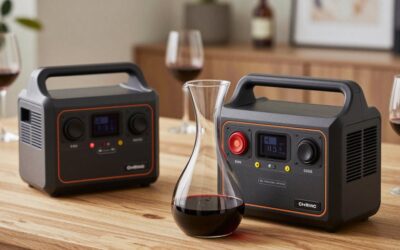
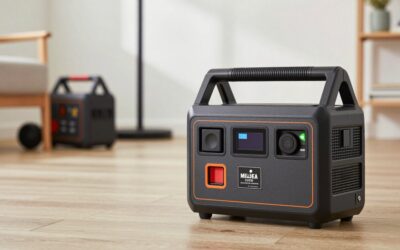
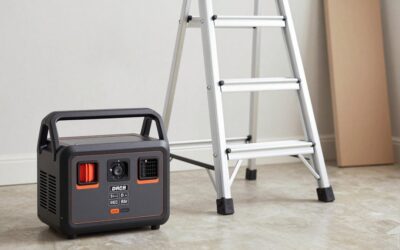
For many California homes, a power station with solar is the natural first choice for PSPS: zero emissions, silent, safe indoors during smoke events, and chargeable ahead of the scheduled shutoff. They also travel if you evacuate.

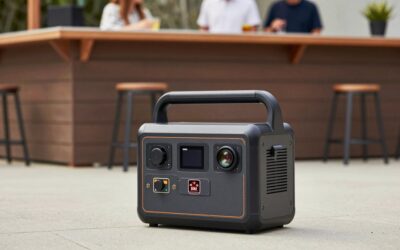
Jackery Explorer 1000 v2 Portable Power Station,1070Wh,1500W
Included for 'Wildfire Season Blackouts: Best Portable Power for California Homeowners' because the listing specifies 1070Wh and 1500W, details this guide uses to compare options.
View on Amazon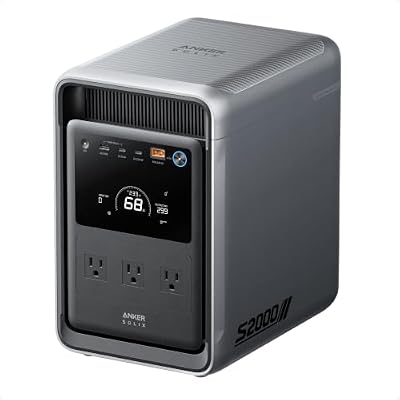
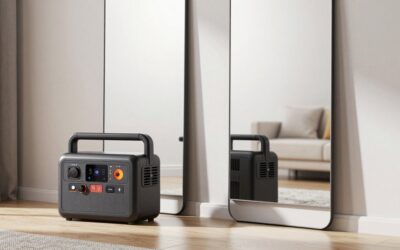
Anker SOLIX S2000 Portable Power Station, 2,010Wh, 1,500W
Included for 'Wildfire Season Blackouts: Best Portable Power for California Homeowners' because the listing specifies 010Wh and 500W, details this guide uses to compare options.
View on Amazon
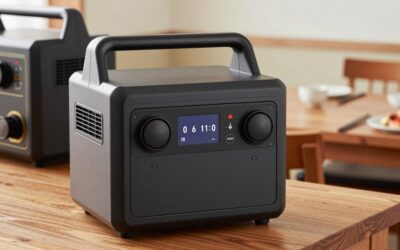
BLUETTI Portable Power Station AC180, 1152Wh LiFePO4 Battery Backup w/ 2 1800W (2700W peak) AC Outlets, 0-80% in 45Min, Solar Generator for Camping, Off-grid, Power Outage
Included for 'Wildfire Season Blackouts: Best Portable Power for California Homeowners' because the listing specifies 0-80% in 45Min and Solar Generator for Camping, details this guide uses to compare options.
View on Amazon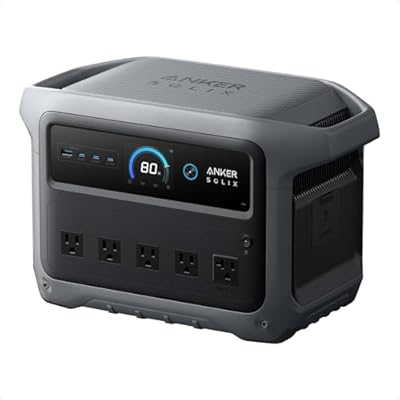
Anker SOLIX C1000 Gen 2 Portable Power Station
Included for 'Wildfire Season Blackouts: Best Portable Power for California Homeowners' as a relevant option in this category; details come from the product listing.
View on Amazon| Load (smoke/heat day) | Running W | Hours/day | Daily Wh |
|---|---|---|---|
| HEPA air purifier (medium) | 30-60 | 24 | 720-1,440 |
| Refrigerator | 150-250 | cycling | 1,000-2,000 |
| Box fan | 50-80 | 12 | 600-960 |
| Router + phones + laptop | 30-80 | 12 | 360-960 |
| CPAP | 30-60 | 8 | 240-480 |
That adds up to about 3 to 6 kWh per day. A 2 to 4 kWh station plus 400 to 1,000 watts of solar can cover many PSPS scenarios, especially with sunny, windy conditions typical of these events. Smoke can reduce solar output noticeably, so do not count on full panel ratings on heavy-smoke days.
When a generator still makes sense
Homes with well pumps, medical equipment needing continuous high power, or central AC dependence may still need a generator or a larger home battery. If using a gas generator:
- Place it on gravel, concrete, or bare soil, cleared of dry vegetation for at least 10 feet around.
- Keep a fire extinguisher nearby.
- Choose models with spark-arresting mufflers where required, particularly near wildlands.
- Keep it at least 20 feet from the home with exhaust away from windows, doors, and vents. Never run it in a garage.
- Refuel only when cool; spilled gas plus hot metal plus dry brush is a serious hazard.
Home batteries and incentives
California has offered battery storage incentives in various forms, with some programs prioritizing high fire-threat districts and PSPS-affected customers. Program availability and funding change, so check your utility and state resources. A permanently installed battery with solar provides whole-home or partial-home backup without fuel logistics.
Comparing options
| Option | Noise | Indoor safe | Fuel logistics | Evacuation-friendly |
|---|---|---|---|---|
| Portable power station + solar | Silent | Yes | None | Yes |
| Inverter generator | Low-moderate | No | Gas/propane | Somewhat |
| Conventional generator | Loud | No | Gas/propane | No |
| Installed home battery | Silent | Installed | None | No |
PSPS prep routine
- When the PSPS notice arrives, charge every station to 100 percent.
- Pre-cool the home and fridge.
- Stage solar panels in a spot clear of smoke-ash buildup; wipe them daily.
- Keep a grab-and-go kit: station, cables, phone chargers, medical device adapters.
Medical baseline and accessible power resources
Households that depend on powered medical equipment should look into utility medical baseline programs, which can provide advance PSPS notifications and, in some areas, access to backup battery programs or resource centers. During PSPS events, utilities have operated community resource centers where residents can charge devices and get water. Knowing where the nearest center is and what it offers is a useful backup to your own equipment. For oxygen concentrators, which can draw 300 to 600 watts continuously, a large station or generator is essential; calculate runtime carefully and keep a manual oxygen supply on hand according to your provider’s guidance.
FAQ
Can I still buy gas generators in California?
Rules have been changing. Portable generators have had a different compliance timeline from other small engines. Check CARB’s current guidance and the product’s certification before buying.
Is solar useful during wildfire smoke?
Yes, but heavy smoke can significantly reduce output. Size battery capacity to cover a smoky day without much solar.
Bottom line
For most California PSPS events, a 2 to 4 kWh power station with solar is the cleanest, safest, and most portable answer. Add a generator only if you have heavy loads, and treat fire clearance and CO distance as strictly as the power itself.
Write Your Review
No reviews yet. Be the first to share your experience!