
🛒 Best Price Today on Amazon
Prime members get fast, free shipping on everything above, plus member-only deals. New members get a 30-day free trial — cancel anytime.
The Short Answer
Yes—a propane generator is worth it if you want longer-term, cleaner fuel storage for occasional outages and can live with somewhat less power than gasoline provides. Propane generators are not automatically the best choice for every household, but they are a practical middle ground between a gasoline generator and a whole-house standby system.
For many homeowners, the biggest advantage is readiness. Propane does not go stale in the same way gasoline does, so a properly stored tank can be waiting when the power fails. That matters if you use a generator only a few times a year. The trade-off is that propane typically produces less output than gasoline, and very cold weather can make fuel delivery more difficult.
As an Amazon Associate we earn from qualifying purchases at no extra cost to you. Product prices and availability are accurate as of the date shown and are subject to change.


What You Actually Get
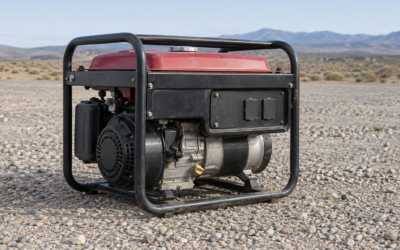
Most portable propane generators sold for home use are dual-fuel models. They run on propane or gasoline, letting you use propane for storage and gasoline when you need maximum output or cannot get enough propane.
A common portable unit in this category produces roughly 3,500 to 5,000 peak watts, with a lower running-watt rating. Peak watts cover the brief surge required when a refrigerator, sump pump, or furnace blower starts. Running watts are the number that matters for keeping appliances operating continuously.
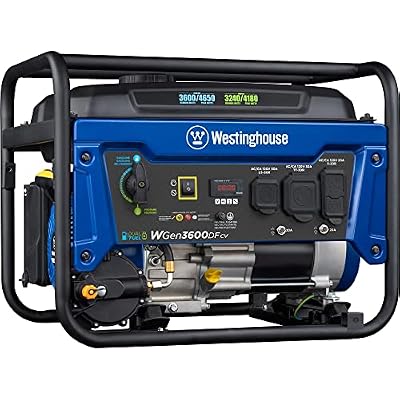
For example, the Westinghouse 4650 Peak Watt Dual Fuel Portable Generator costs about $399 and includes a 30-amp RV-ready outlet and a carbon-monoxide sensor. The PowerSmart 3800 Watt Dual Fuel Inverter Generator costs about $422.99 and is designed for camping or home use. These examples show the usual choice: a conventional portable generator may offer more surge capacity for less money, while an inverter generator generally emphasizes quieter, cleaner power and portability.
Neither type should be treated as a whole-house replacement. A generator in this size range can usually support essentials such as a refrigerator, freezer, lights, internet equipment, phone chargers, and a gas furnace blower. It may also run one larger load, such as a sump pump or microwave, but not every major appliance at once.
Before buying, add up the starting and running watts of the equipment you consider essential. A refrigerator may run on a few hundred watts but need substantially more at startup. A sump pump, well pump, portable air conditioner, or electric space heater can quickly consume much of your available capacity. Electric ranges, clothes dryers, central air conditioners, and tankless water heaters often require more power than a mid-size portable generator can provide.
Pros
- Fuel stores well. Propane remains usable for a long time when kept in a sound, approved cylinder. That eliminates much of the concern about gasoline degrading during months of storage.
- Less messy storage. Propane does not spill like liquid gasoline, and a sealed tank is simpler to store than a can of fuel that may develop an odor or leak.
- Dual-fuel flexibility. If propane is unavailable, you can switch to gasoline. If gasoline is scarce or you prefer cleaner storage, you can use propane.
- Cleaner-burning operation. Propane generally leaves less residue in the engine than gasoline, which can be helpful for equipment that sits unused between emergencies.
- Useful emergency capacity. A 3,800- to 4,650-watt portable generator can cover many basic household needs if you manage loads carefully.
- Lower purchase cost than a standby system. A portable model typically costs about $300 to $900, before fuel and accessories. A permanently installed standby setup can cost several thousand dollars after installation.
- Portable power beyond outages. The same machine can supply electricity for an RV, workshop, tailgate, or construction project, depending on its outlets and noise level.
Cons
- Lower output on propane. The advertised peak wattage is often based on gasoline operation. Expect the propane rating to be lower, so check the fuel-specific specifications rather than relying on the largest number on the box.
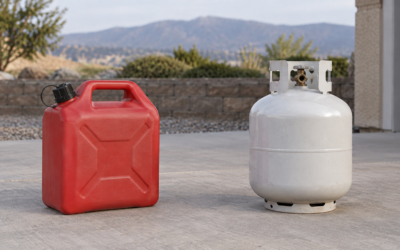
- Fuel tanks take planning. A small grill-style cylinder may not provide enough runtime for a prolonged outage, especially under a heavy load. Larger cylinders offer more capacity but require appropriate placement and connections.
- Runtime depends heavily on the load. A generator powering only a refrigerator and a few lights may run much longer than one operating a heater, pump, or air conditioner. Manufacturer runtime claims should be read alongside the stated load percentage.
- Cold weather can be challenging. Propane vaporizes less readily in very low temperatures. A small tank may struggle to supply fuel quickly enough under high demand, particularly when the tank is nearly empty.
- Noise remains an issue. Conventional open-frame generators can be loud, even when they are affordable. An inverter model may be more pleasant near a campsite or home, but it can cost more for comparable wattage.
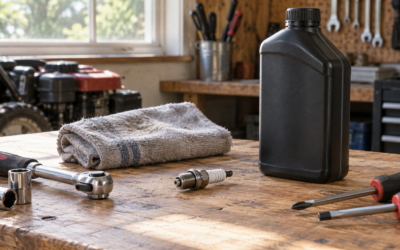
- It still needs maintenance. Propane does not eliminate oil changes, air-filter service, spark-plug replacement, battery care, or periodic test runs.
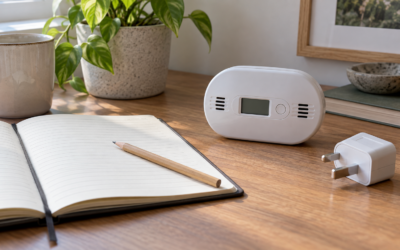
- Carbon monoxide is a serious hazard. Never run a generator in a home, garage, basement, shed, porch, or other partially enclosed area. Place it outdoors, far from doors and windows, and direct exhaust away from the house.
Who Should Buy It
Buy a propane generator if you live in an area with occasional storms, winter outages, wildfire-related shutoffs, or an unreliable grid and want an emergency backup without installing a permanent system. It is especially sensible if you already use propane for a grill, fireplace, water heater, or other appliance and can maintain a reliable supply.
It is also a good fit for households that need essential circuits rather than whole-home comfort. If your priority is keeping food cold, maintaining internet service, charging devices, powering lights, and running a pump or furnace blower, a portable dual-fuel model in the 3,800- to 4,650-watt class may be adequate.
Choose an inverter model when lower noise, more compact operation, or sensitive electronics are important. Choose a conventional model when initial cost and starting capacity matter more. In either case, consider a heavy-duty outdoor-rated extension cord, a weather-safe storage plan, spare oil, and enough propane to cover your expected outage length.
Who Should Skip It
Skip a propane portable generator if you expect to run central air conditioning, an electric furnace, an electric water heater, a well pump, and several household appliances simultaneously. Those needs may call for a larger generator, a professionally installed standby system, or a load-management plan.
It is also a poor choice if you cannot store propane safely, do not have a suitable outdoor location, or are unwilling to test and maintain the engine. Apartment dwellers may have nowhere safe to operate one, and people who need automatic backup power may be better served by a permanently installed system with an automatic transfer switch.
Cheaper Alternatives
| Option | Cost | Trade-off |
|---|---|---|
| Gasoline-only portable generator | $250–$600 | Usually cheaper and may provide stronger output, but gasoline requires careful storage and seasonal maintenance. |
| Small inverter generator | $250–$500 | Quieter and efficient for lights, electronics, and camping, but often cannot start pumps or support several large appliances. |
| Portable power station | $300–$1,000 | No exhaust and nearly silent, but battery capacity is limited and recharging may be difficult during a long outage. |
| Vehicle inverter | $50–$250 | Inexpensive for phones, lights, and small electronics, but it cannot replace a generator for refrigerators, pumps, or extended use. |
FAQ
Is propane cheaper than gasoline for a generator?
Not necessarily. Fuel prices vary by location and season, and propane usually produces fewer usable watts per gallon than gasoline. The financial advantage is often storage rather than fuel cost. Propane can remain ready for an extended period, while gasoline may require stabilizer, rotation, and more careful inspection.
How much propane do I need for a power outage?
There is no single answer because consumption changes with the load and the generator. A 20-pound cylinder is convenient but may not last long under a heavy load. For a multi-day outage, plan fuel around your essential wattage, expected runtime, and access to refills. Keep tanks upright, outdoors, and away from ignition sources, following local safety rules.
Can a propane generator run a refrigerator and furnace?
Often, yes, provided the generator has enough running and starting capacity. A refrigerator and gas furnace blower may fit within a mid-size unit’s limits, but startup surges can overlap. Turn off nonessential loads before starting a pump or compressor, and avoid adding electric heaters or other high-wattage appliances without checking the total.
Is a propane generator worth it in 2026?
For many households, yes. A dual-fuel portable generator offers a useful combination of emergency capacity, flexible fueling, and manageable upfront cost. The best value comes when you buy enough wattage for your real needs, store fuel safely, and accept that it is an essential-load solution—not a way to operate the entire house normally during an outage.

Write Your Review
No reviews yet. Be the first to share your experience!