
🛒 Best Price Today on Amazon
Prime members get fast, free shipping on everything above, plus member-only deals. New members get a 30-day free trial — cancel anytime.
When choosing a home generator, the frame material can seem like a minor detail next to wattage, fuel type, and noise. In practice, it affects how easily you can move the unit, how well it tolerates weather and impacts, and how much maintenance it may need over several seasons. The real decision is not simply whether aluminum or steel is “better.” It is whether you value low weight and corrosion resistance more than maximum toughness, lower upfront cost, and repairability.
An aluminum-framed generator may be easier to lift into a shed or roll across a patio. A steel-framed model may be the better choice for frequent outdoor use, rough handling, or a permanent backup-power setup. The engine, enclosure, wheel kit, coatings, and storage conditions matter just as much as the frame itself. This guide compares aluminum vs steel generator frame designs so you can match the material to your home and buying habits in 2026.
As an Amazon Associate we earn from qualifying purchases at no extra cost to you.


Quick Verdict
Choose an aluminum generator frame if you expect to move the unit often, need to carry it up steps, live in a humid or coastal area, or want a cleaner-looking frame with less concern about surface rust. Aluminum is typically lighter and naturally corrosion resistant, although it can bend or dent more readily than steel.
Choose a steel generator frame if durability, stability, and value are your top priorities. Steel generally handles impacts and heavy components better, costs less in many standard models, and is easier to weld or repair. Its disadvantages are greater weight and the need to protect chipped paint or exposed metal from rust.
Side by Side
| Factor | Aluminum Frame | Steel Frame |
|---|---|---|
| Comfort and portability | Usually lighter; easier to lift, load, and reposition | Heavier, but often steadier during operation |
| Durability | Resists rust but may dent or bend under sharp impacts | Excellent impact resistance; can deform less easily |
| Typical price range | About $500–$2,000 for many residential models | About $350–$2,500, depending on output and design |
| Maintenance | Low frame maintenance; inspect for cracks or loose fasteners | Touch up scratches and exposed areas to prevent rust |
| Space needed | Often compact, particularly on inverter generators | Open-frame models may be wider and need more clearance |
| Look | Clean, modern, and often brushed or silver-colored | Traditional, industrial, and commonly powder coated |
| Resale | Can appeal to buyers seeking light, corrosion-resistant equipment | Broad demand and easy-to-understand repair potential |
| Best for | Frequent moving, coastal homes, apartments, and lighter-duty use | Storm backup, job sites, garages, and rugged repeated use |
Where Aluminum Wins
Lower lifting weight is aluminum’s clearest advantage. A portable generator producing roughly 2,000 to 4,000 running watts may weigh about 40 to 100 pounds, depending on the engine, fuel tank, battery, and inverter hardware. A lighter aluminum frame can make the difference between one-person handling and needing help. That matters if the generator must come out of a basement, pass through a narrow gate, or be loaded into an SUV.
Aluminum is also naturally resistant to corrosion. It can oxidize, but the resulting surface layer helps protect the metal underneath. That makes it appealing in humid regions, near saltwater, or for owners who store equipment in a garage with fluctuating temperatures. It is not immune to corrosion: road salt, fertilizer, battery acid, and dissimilar-metal contact can still cause damage. However, a scratched aluminum frame does not develop the same familiar red rust as unprotected steel.
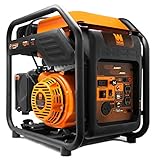
For a small home or apartment, aluminum often pairs well with a compact inverter generator. A unit such as a 4,000-watt open-frame inverter generator illustrates the general category: the WEN GN400i RV-Ready model is listed for under $450 and is designed for portable power rather than permanent installation. Whether a particular generator uses aluminum, steel, or a hybrid frame, check its actual dry weight and dimensions before buying. “Portable” can still mean more than 80 pounds.
Aluminum frames can also provide a refined appearance. Their silver or satin finish fits neatly beside modern outdoor equipment, and they do not require frequent repainting simply because a small scratch appears. The tradeoff is that aluminum is less forgiving of concentrated impact. A dropped tool, trailer contact, or overloaded tie-down can bend a rail or mounting tab. Repairs may require specialized welding, and a bent frame can be harder to restore than a steel tube.
Do not confuse aluminum frame care with aluminum foil. Household products such as Reynolds Wrap Heavy Duty Aluminum Foil Roll, 12 Inch Wide, 50 square feet, priced for under $10, or Amazon Basics Heavy Duty Aluminum Foil, 125 square feet, priced for under $20, are useful for cooking and storage but are not suitable for shielding a running generator or repairing its frame. Keep all foil and other flammable materials away from hot exhaust components.
Where Steel Generator Frame Wins
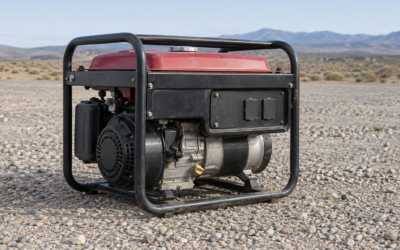
Strength and stability make steel the traditional choice for open-frame generators. Steel tubing handles heavy engines, large fuel tanks, and repeated loading well. It is also less likely to flex when the machine is rolled over uneven ground. A rigid frame can reduce stress on mounting points and make a generator feel more planted when starting or powering equipment with high startup demand.
Steel is usually the better material for demanding environments. Contractors, homeowners preparing for severe storms, and families who expect to run a generator for many hours may appreciate its resistance to knocks and rough transport. A steel frame can also protect internal components when the generator is moved around a garage, truck bed, or storage shed.
Price is another advantage. Many basic steel-frame generators fall between $350 and $1,000, while larger dual-fuel and high-output units can cost $1,000 to $2,500 or more. Aluminum models may cost more when paired with an inverter, premium enclosure, or specialized lightweight construction. Material alone does not set the price, but steel gives manufacturers an economical way to build a strong chassis.
The main concern is rust. A powder-coated steel frame may last for years, but chips, deep scratches, and water trapped under a cover can expose bare metal. Inspect welds, wheel brackets, and the lower frame after wet use. Dry the unit before storage, apply matching touch-up paint to damaged areas, and avoid storing it directly on damp concrete. These small habits can add years to a steel frame’s useful life.
Steel is also generally easier to modify or repair. A qualified welder can often straighten or reinforce steel tubing, whereas aluminum repairs require different equipment and more skill. That does not make every steel repair safe; a damaged frame near the engine, fuel tank, or grounding path should be evaluated by a professional.
Cost Over 5 Years
Purchase price is only one part of the five-year cost. Assume a $700 steel-frame generator and a $900 aluminum-frame generator with similar usable output. The aluminum option starts $200 higher, but it may save time and effort if you move it frequently and may need less cosmetic maintenance in a wet climate.
For steel, budget approximately $10 to $30 over five years for touch-up paint, rust-prevention spray, and replacement fasteners, assuming normal residential use. If the frame is left uncovered in rain or salt air, maintenance can be considerably higher, and premature corrosion may shorten its life. For aluminum, routine frame-care costs may be closer to $0 to $20, though damaged brackets, bent rails, or specialty repairs can be expensive.
Wheels and tires are often a bigger cost than frame maintenance. A replacement wheel kit may run $30 to $100, while a battery, cover, spark plug, oil, and fuel stabilizer can add $50 to $150 over five years. The most economical choice is therefore the one that fits your handling needs and storage conditions—not automatically the frame with the lowest sticker price.
Which One for Your Home
Small apartment
Choose aluminum when possible, especially for a compact inverter generator in the 2,000- to 3,000-watt range. Weight and storage footprint matter more than extreme impact resistance. Confirm that local rules, building policies, and outdoor operating requirements allow generator use. Never run a gasoline generator indoors, in a hallway, on an enclosed balcony, or near windows and doors.
Family with kids or pets
Steel is often the safer practical choice because it is stable and resistant to accidental bumps from bikes, toys, carts, and yard equipment. Look for wide wheels, a sturdy handle, covered hot surfaces, and clear operating instructions. Frame material does not make a generator child-safe; use a locked, ventilated storage area and keep the running unit well away from play areas.
Rental home
Prioritize aluminum if you will move between properties or need to store the generator in a compact closet or vehicle, provided the dry weight is manageable. A steel model may be preferable if it will stay in a shed and only come out during outages. Renters should also check lease terms, insurance requirements, and local noise and fuel-storage rules.
Long-term home
Steel is a strong default for a permanent residence, particularly if the generator will be stored in a garage and used for storms, sump pumps, refrigerators, or well equipment. Select aluminum if the home is coastal, the generator must be carried regularly, or corrosion prevention is a major concern. In either case, buy based on running watts and starting watts first, then compare frame construction.
FAQ
Is an aluminum generator frame stronger than steel?
Usually not. Steel generally has greater resistance to bending and impact, while aluminum offers a better strength-to-weight ratio. A well-designed aluminum frame can be durable, but tube thickness, weld quality, mounting points, and overall engineering matter more than the material label alone.
Does an aluminum frame prevent rust?
It prevents the red iron-oxide rust associated with steel, but aluminum can corrode or pit. Salt, chemicals, moisture trapped around fasteners, and contact with dissimilar metals can still cause damage. Rinse contaminants away, dry the frame, and inspect fasteners periodically.
Can a steel generator frame be used outdoors?
Yes, but the generator should be operated only in a safe, open, dry location as directed by the manual. Store it under cover after it cools, protect scratches with touch-up paint, and never use a tarp or generator tent in a way that blocks ventilation. A stainless steel frame rod, such as the under-$40 IGAN Generator Tent Stainless Steel Frame Rod, is an accessory component—not a substitute for safe generator clearance and airflow.
Which frame material is best for a backup generator?
For most homeowners, steel is the best value for occasional emergency backup, while aluminum is better for frequent transport or damp coastal storage. Compare the complete machine’s weight, wattage, wheel kit, noise, warranty, and parts availability before making the final choice.
Write Your Review
No reviews yet. Be the first to share your experience!