
🛒 Best Price Today on Amazon
Prime members get fast, free shipping on everything above, plus member-only deals. New members get a 30-day free trial — cancel anytime.
Food trucks are small commercial kitchens on wheels, and their power demands are closer to a restaurant than to a camper. Refrigeration runs all day, exhaust fans and air conditioning fight the heat of the cooking line, and the point-of-sale system must never go down in the middle of a lunch rush. At the same time, many cities and events push for quieter, cleaner operations, and some venues now restrict generators. This comparison looks at where generators, large battery systems, and hybrids each make sense for a mobile food business.
A realistic food truck load profile
| Equipment | Running watts | Energy over a 6-hour service |
|---|---|---|
| Reach-in or under-counter fridge (x2) | 200–500W cycling | 1.5–3 kWh |
| Prep table cooler | 200–400W cycling | 1–2 kWh |
| Freezer | 150–400W cycling | 1–2 kWh |
| Hood exhaust fan | 300–1,000W | 1.8–6 kWh |
| Rooftop AC, 13,500–15,000 BTU | 1,300–1,800W | 6–10 kWh |
| Lighting and signage | 100–300W | 0.6–1.8 kWh |
| POS, card reader, tablets, router | 30–100W | 0.2–0.6 kWh |
| Coffee or espresso machine | 1,500–3,000W | 2–6 kWh |
| Microwave, warmers, steam table | 1,000–3,000W | 2–8 kWh |
Most trucks cook with propane, which keeps electric loads manageable. Even so, a truck with AC, refrigeration, and a hood fan typically uses 12 to 25 kWh per service day, and an electric espresso setup or steam table can push well past 30 kWh.
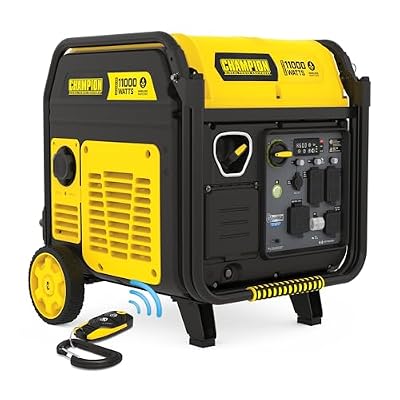
Champion 11,000-Watt Wireless Remote Start Portable Inverter Generator
Included for 'Best Power Solution for Food Truck Operations: Generator or Power Station?' because the listing specifies 000-Watt Wireless Remote Start Portable Inverter Generator, details this guide uses to compare options.
View on Amazon
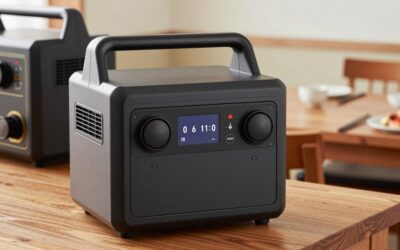
P5000 Plus 5120Wh Portable Power Station, 3600W Solar Generator
Included for 'Best Power Solution for Food Truck Operations: Generator or Power Station?' because the listing specifies 3600W Solar Generator, details this guide uses to compare options.
View on Amazon
Champion 4000-Watt Dual Fuel RV Ready Portable Inverter Generator
Included for 'Best Power Solution for Food Truck Operations: Generator or Power Station?' as a relevant option in this category; details come from the product listing.
View on Amazon
Champion 4500-Watt Electric Start Dual Fuel Portable Inverter Generator
Included for 'Best Power Solution for Food Truck Operations: Generator or Power Station?' as a relevant option in this category; details come from the product listing.
View on AmazonWhy generators remain the default
At 15 to 30 kWh per day, battery capacity gets expensive and heavy. A 7,000 to 12,000W generator delivers that energy from a few gallons of fuel per shift. Many trucks use onboard propane generators that draw from the same tanks as the cooking line, which simplifies fueling. Generators also handle the big starting loads of compressors and AC units without concern.
The drawbacks customers notice
Generator noise near a service window makes ordering harder and annoys neighboring vendors. Exhaust near a line of customers is unpleasant and potentially dangerous. Some events, farmers markets, and downtown zones restrict generator use or require quiet inverter models. Fuel, oil changes every 100 to 200 hours, and engine repairs are ongoing costs.
Where battery systems and power stations fit
Short services and quiet venues
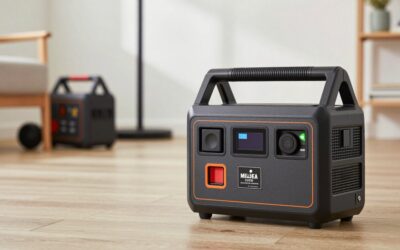
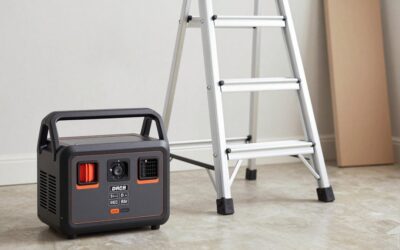
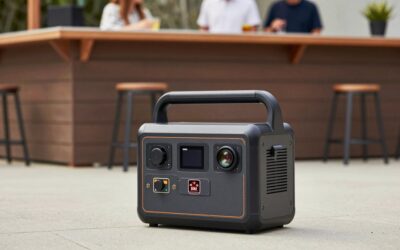
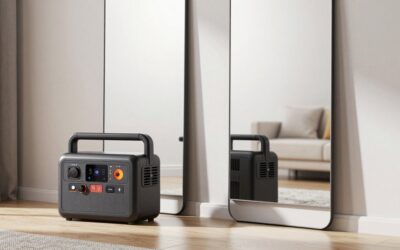
A trailer or cart serving coffee, cold drinks, or pre-prepared food with only refrigeration, lights, and POS might use 3 to 8 kWh per shift. A built-in lithium bank of 5 to 10 kWh or a couple of large portable power stations can handle that silently, recharging overnight from shore power at the commissary.
Hybrid systems
A growing number of trucks install a battery bank with an inverter-charger and a smaller generator. Batteries run refrigeration and POS silently, including overnight and during travel; the generator runs only during peak cooking hours for AC and heavy appliances, and recharges the bank at the same time. This can cut generator hours by 40 to 70 percent.
Comparison for a typical lunch-and-dinner truck
| Factor | Generator only (8,000–12,000W) | Battery + small generator | Batteries only (10–20 kWh) |
|---|---|---|---|
| Handles AC + hood + fridges | Yes | Yes | Only with a very large bank |
| Noise at service window | 60–75 dBA | Quiet most of the day | Silent |
| Event and downtown acceptance | Sometimes restricted | Better | Best |
| Upfront cost range | $2,000–8,000 | $8,000–20,000 | $10,000–30,000+ |
| Daily running cost | Fuel plus maintenance | Lower fuel | Shore power recharge |
Choosing by business model
- Coffee or dessert cart with light refrigeration: portable power stations or a 5 to 10 kWh battery system.
- Standard propane-cooking food truck: 7,000 to 10,000W quiet generator, ideally inverter or enclosed.
- Heavy electric equipment or long services in heat: large generator or hybrid with 10 kWh-plus storage.
- Frequent downtown or indoor-adjacent events: hybrid or battery-first system to meet quiet requirements.
FAQ
Can a power station run a food truck?
A single portable power station can run a small fridge, lights, and a POS system for a short service. A full truck with AC, hood fan, and multiple refrigerators needs either a generator or a purpose-built battery system of 10 kWh or more.
How much fuel does a food truck generator use?
A 7,000 to 10,000W generator at 40 to 60 percent load commonly uses roughly 0.6 to 1.2 gallons of gasoline per hour, or the propane equivalent, which adds up to 4 to 8 gallons over a six-hour service.
Bottom line
For most full-service food trucks, a quiet generator of 7,000 to 12,000W is still the practical backbone. If your venues demand quiet operation or your menu is light on electric equipment, a battery system or hybrid setup pays off in lower fuel costs, happier customers, and access to more events.


Write Your Review
No reviews yet. Be the first to share your experience!