
🛒 Best Price Today on Amazon
Prime members get fast, free shipping on everything above, plus member-only deals. New members get a 30-day free trial — cancel anytime.
The Short Answer
It depends—but a generator maintenance contract is usually worth considering if you rely on a standby generator for medical equipment, a sump pump, heating, or frequent outages and do not want to perform scheduled service yourself. For occasional-use portable generators, or for homeowners comfortable changing oil and inspecting equipment, a contract can cost more than the maintenance it covers.
In 2026, a typical residential standby-generator maintenance agreement may cost roughly $200 to $600 per year, while more comprehensive plans can run from $700 to $1,500 annually. The price varies with generator size, location, service frequency, travel charges, and whether emergency repairs are included. The contract is not generator insurance: most plans cover scheduled maintenance, not every failure or replacement part.
As an Amazon Associate we earn from qualifying purchases at no extra cost to you.

What You Actually Get
A standard maintenance contract generally includes one or two scheduled visits each year. A technician may change the engine oil and filter, replace or inspect the air filter, check the battery and charging system, inspect wiring and fuel connections, test the transfer switch, and run the generator under load. Some providers also inspect coolant, spark plugs, belts, hoses, enclosure condition, and error codes.
For an air-cooled standby unit in the 14-to-26-kilowatt range, a visit commonly takes about 45 to 90 minutes, assuming no repair is needed. Larger liquid-cooled systems, commercial units, and generators with difficult access can take longer. Some contracts include a written service report, priority scheduling, discounted repairs, or a guaranteed response window after a failure.
Read the service checklist carefully. “Annual maintenance” may mean one oil change and a visual inspection, while another plan may include a full operational test and transfer-switch inspection. Ask whether the contractor supplies oil, filters, spark plugs, and batteries, or bills those items separately. Also check whether sales tax, travel fees, disposal charges, and after-hours labor are excluded.
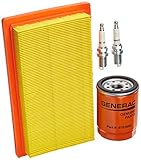
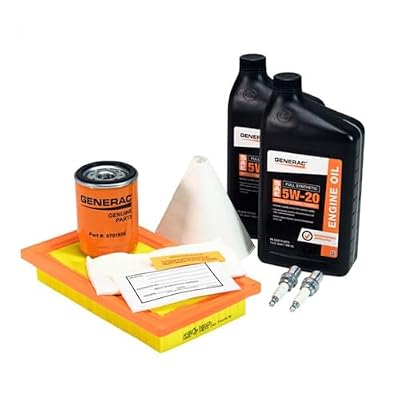
Maintenance kits illustrate the parts-only alternative. For example, a Generac 6485 Scheduled Maintenance Kit for certain 20-kilowatt and 22-kilowatt, 999cc standby generators is listed at about under $30. A Generac 5W-20 kit for selected 20-to-26-kilowatt, 999cc generators is listed around under $80. These prices cover supplies, not labor, diagnostics, safe disposal, or warranty documentation. Compatibility depends on the exact model and engine, so match the generator’s model number before ordering.
Pros
- Convenience: The provider tracks service intervals and contacts you before maintenance is due. That matters because many standby generators need service based on both operating hours and calendar time, even if they have barely run.
- Better readiness: A professional can test the automatic transfer switch and verify that the generator actually starts, transfers power, and returns to utility power. A simple monthly exercise cycle does not replace a complete inspection.
- Early problem detection: Loose battery connections, a weak starting battery, corroded terminals, fuel-line issues, low oil, and deteriorating hoses are easier to fix before an outage than during one.
- Less physical work: Standby generators are often installed on pads beside a house, sometimes in tight spaces. Oil draining, filter replacement, battery testing, and cleanup are less appealing in cold weather or heavy rain.
- Service records: Dated records can help support a manufacturer warranty, make troubleshooting easier, and reassure a future home buyer that the equipment was maintained.
- Priority during storms: Some agreements place customers ahead of noncontract customers when a widespread outage creates a service backlog. This benefit is valuable, but only if the contract states a realistic response time.
- Predictable budgeting: Paying a fixed annual amount may be easier than facing a surprise diagnostic bill before a storm. It also helps homeowners avoid postponing maintenance because the generator has not run recently.
Cons
- It may cost more than the parts: A basic oil-and-filter service can use a kit priced below $75, while a professional visit may cost $150 to $350 before additional repairs. Labor, travel, overhead, and testing account for much of the difference.
- Coverage is often narrow: Batteries, spark plugs, belts, rodents, freeze damage, fuel contamination, and failed electronic components may be excluded or billed separately. Ask for exclusions in writing.
- Contracts can renew automatically: Check the renewal date, cancellation rules, price-increase language, and whether unused visits expire. A low introductory price may not apply in later years.
- Quality varies by technician: A contract does not guarantee careful work. Look for a provider familiar with your generator brand and installation, not merely a company that performs basic oil changes.
- Scheduling can still be slow: During a regional storm, even contract customers may wait. “Priority service” is not the same as a guaranteed emergency repair.
- It can encourage unnecessary upselling: A technician may recommend replacement parts or upgrades that are sensible, but you should receive a clear explanation of whether each item is required, recommended, or optional.
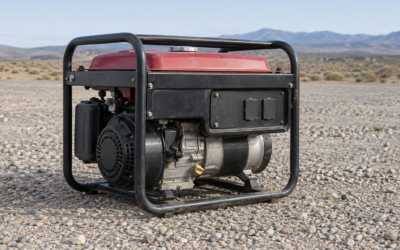
- It is unnecessary for some equipment: A small portable generator used for a few hours each year does not usually justify a recurring contract. Proper storage and owner-performed maintenance may be sufficient.
Who Should Buy It
A contract makes the most sense for a homeowner who has a permanently installed standby generator and depends on it for essential household systems. Consider one if your generator is difficult to access, your schedule makes maintenance easy to forget, or you are uncomfortable working around fuel, hot engine parts, batteries, and electrical equipment.
It is especially sensible when the generator powers a medical device, well pump, sump pump, furnace, refrigeration, or a home office that cannot tolerate a long outage. Owners of newer or more expensive liquid-cooled units may also value documented service and specialist attention. If your generator is still within a manufacturer warranty period, confirm that the provider uses approved parts and follows the required service schedule.
Before signing, request a written list of included tasks, the number of visits, labor limits, parts coverage, emergency response terms, travel fees, and cancellation policy. Compare at least two local providers. A contract priced at $300 per year with two thorough visits may be a better value than a $200 plan that excludes filters, testing, and travel.
Who Should Skip It
Skip the contract if you own a portable generator, use it only for occasional backup, and can safely follow the owner’s maintenance schedule. A mechanically confident owner can often handle oil changes, filter checks, spark-plug inspection, battery charging, fuel rotation, and visual inspections with basic tools.
You may also skip it if a trusted small-engine or electrical technician charges reasonable pay-as-you-go rates. Set calendar reminders instead of relying on memory. Keep a maintenance log with the date, operating hours, oil type and quantity, filter part number, battery age, and any error codes.
Do not skip professional help for transfer-switch problems, gas-line work, repeated start failures, carbon-monoxide concerns, or electrical faults. Those issues are beyond routine oil service and can create fire, shock, or exhaust hazards.
Cheaper Alternatives
| Option | Cost | Trade-off |
|---|---|---|
| Do-it-yourself scheduled service | About $30–$100 per service, plus tools | Lowest recurring cost, but you supply the labor and must handle used oil, inspections, and recordkeeping. |
| Parts kit plus pay-as-you-go technician | About $150–$400 per visit | You avoid a yearly contract, but availability and pricing may be worse during storm season. |
| Generac maintenance kit, compatible model | About $30–under $80 for referenced kits | Includes selected maintenance supplies only; compatibility, labor, testing, and disposal are your responsibility. |
| Local annual service without a contract | About $150–$350 per visit | Can provide professional care without automatic renewal, but usually offers no priority-service promise. |
| Comprehensive service agreement | About $700–$1,500 per year | May include multiple visits and emergency benefits, but it is expensive and exclusions still apply. |
FAQ
How often does a standby generator need maintenance?
Many residential standby generators need an annual service at minimum, plus periodic checks based on operating hours. High-use equipment may need oil service every 100 to 200 operating hours, but the exact interval depends on the manufacturer, engine, oil type, and installation. Follow the owner’s manual rather than a generic schedule.
Does a maintenance contract cover repairs?
Usually, no. Most basic plans cover scheduled labor and routine inspection, while repairs, diagnostic time, batteries, major components, and emergency visits cost extra. Premium plans may provide discounted repairs or limited parts coverage. Get the exclusions and labor rates before paying.
Can I maintain a standby generator myself?
You can handle some routine tasks if the manual permits it and you are comfortable doing so. Oil and filter changes, air-filter inspection, battery checks, and visual inspections are common owner tasks. Do not modify gas piping, bypass safety devices, or work inside electrical panels unless properly qualified.
What is the best way to compare two contracts?
Compare the number of visits, exact checklist, included parts, load or transfer testing, travel charges, emergency response terms, repair discounts, renewal price, and cancellation policy. A cheaper contract is not a bargain if it excludes the battery, transfer switch, or the diagnostic work you expected.

Write Your Review
No reviews yet. Be the first to share your experience!