
🛒 Best Price Today on Amazon
Prime members get fast, free shipping on everything above, plus member-only deals. New members get a 30-day free trial — cancel anytime.
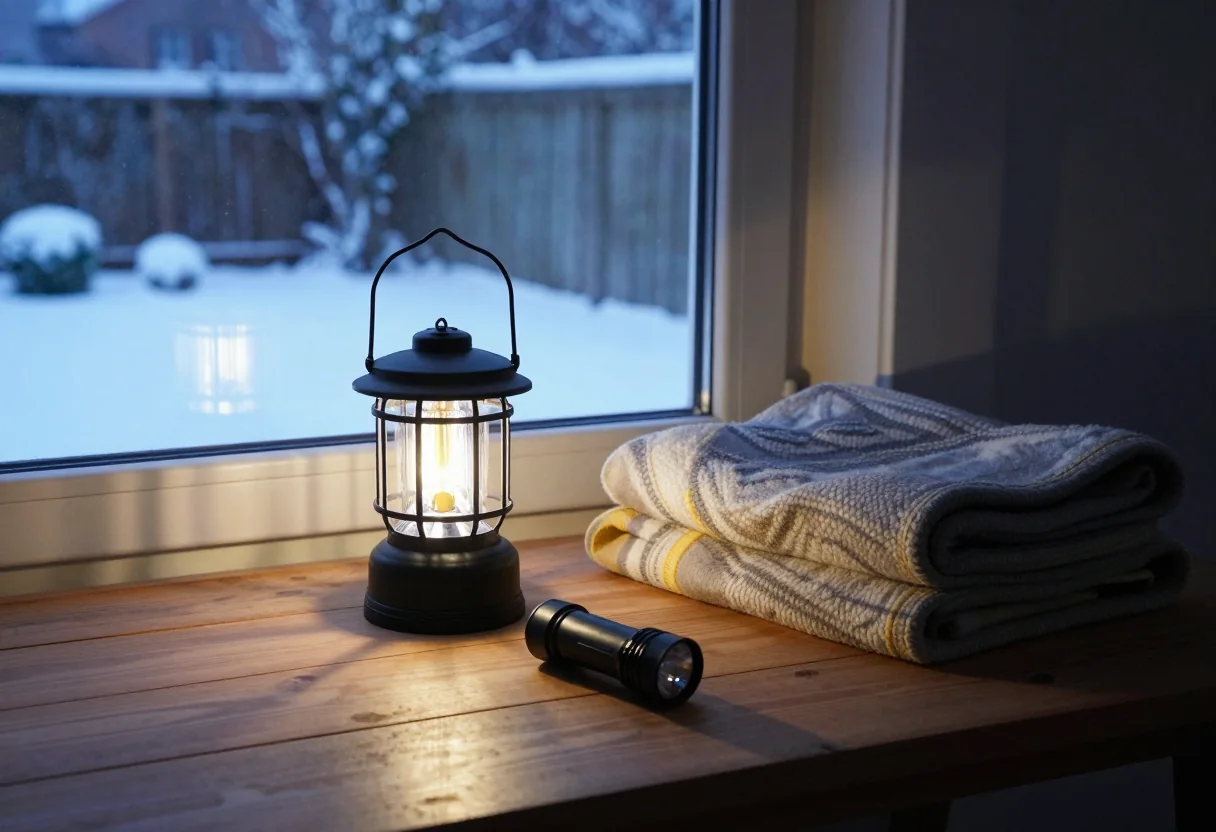
A generator that sits unused all summer and then must start at 5 degrees Fahrenheit in a blizzard has a harder job than one used on a mild camping trip. Winter outage generators need to cold-start reliably, feed sensitive furnace electronics, handle well pump and sump pump surges, and keep running in snow without endangering the household. This buying guide focuses on the specifications and features that decide whether your generator works on the one morning you truly need it.
Start with the heating system
Your furnace or boiler determines the generator class more than anything else. Modern gas furnaces use electronic control boards and variable-speed blowers that can malfunction on dirty power, so the generator’s total harmonic distortion (THD) matters. Inverter generators typically deliver under 3 percent THD; many conventional open-frame units run 10 to 25 percent, though some newer ones advertise under 5 percent. For a furnace, aim for under 5 percent.
| Heating system | Electrical need | Suggested generator class |
|---|---|---|
| Gas furnace, standard blower | 400–800W running, 1,200–1,600W start | 2,500–3,500W inverter |
| Gas furnace, variable-speed ECM blower | 150–500W | 2,000–3,000W inverter |
| Hot-water boiler with circulator | 100–250W | 2,000W inverter |
| Oil furnace with burner motor | 600–1,000W | 3,500W inverter |
| Heat pump, 3 ton, with soft start | 3,500–5,000W | 9,000W+ with transfer switch |
| Space heaters only | 1,500W each | 3,500–5,000W for one or two |
Add the other winter-critical loads
Beyond heat, total up the refrigerator (150 to 250W running), well pump (1,000 to 1,500W running with a 2,000 to 3,500W start), sump pump for snowmelt (800 to 1,000W), heat tape on vulnerable pipes (5 to 8W per foot), and a few lights and chargers. A rural home with a furnace, well pump, fridge, and sump typically lands at 3,000 to 3,800W running and 5,500 to 6,500W peak, which points to a 6,500 to 8,000W unit or a large inverter.
Cold-start capability
Electric start and battery care
Electric start is nearly mandatory in winter. The weak point is the small starter battery; keep it on a maintainer during storage and check it monthly from November onward. Some models include a recoil backup, which you want.
Oil viscosity
Most air-cooled generator engines ship with SAE 10W-30. Many owner manuals allow or recommend 5W-30 synthetic for temperatures that fall below about 20 to 30 degrees Fahrenheit. Thinner cold oil means faster cranking and less wear in the first seconds after start.
Cold-weather kits
Some manufacturers sell cold-weather kits that shield the carburetor or route warm air to the intake, helping prevent carburetor icing in humid, near-freezing conditions. If you live where temperatures routinely drop below zero, look for this option.
Fuel choices in freezing weather
| Fuel | Winter advantage | Winter drawback |
|---|---|---|
| Gasoline | Starts easily when fresh; widely available | Degrades in storage; stations close in storms |
| Propane | Stores indefinitely; no stale fuel | Low vapor pressure in extreme cold; small tanks struggle |
| Natural gas | Unlimited supply from utility line | Needs conversion or tri-fuel unit; slightly lower output |
| Diesel | Efficient, long runtime | Can gel below roughly 15°F without winter blend |
Propane is excellent for storage but needs larger cylinders in deep cold. A 100 lb cylinder, or two 40 lb cylinders connected through a changeover valve, maintains pressure far better than a single 20 lb tank.
Placement in snow
Plan the generator’s winter location before the first storm. It needs a spot at least 20 feet from doors, windows, and vents, on a hard surface, with a ventilated shelter or cover that keeps snow off the controls while allowing unrestricted airflow. Clear snow from around the exhaust and intake after each heavy band. Place a battery-powered CO alarm on every sleeping floor.
Connection
Furnaces are almost always hardwired, which means a proper connection through a manual transfer switch or an inlet box with a breaker interlock. For a generator up to about 7,500W, a 30A inlet with an L14-30 cord is standard; larger units use 50A. Budget for a licensed electrician and a permit where required.
Winter readiness checklist
- Test run under load in October, with the furnace circuit connected.
- Change to winter-appropriate oil and install a fresh spark plug.
- Stabilize or rotate gasoline; fill propane cylinders.
- Keep a snow shovel, headlamp, and funnel with the generator.
- Stage a heavy-duty 10/4 or 10/3 cord rated for cold (stays flexible below freezing).
FAQ
What size generator runs a gas furnace?
Most residential gas furnaces run comfortably on a 2,500 to 3,500W inverter generator. Add the refrigerator and a few circuits and a 3,500 to 4,500W inverter is the practical choice.
Can I run a generator in my garage with the door open?
No. Carbon monoxide can build to deadly levels in an attached or detached garage even with the door open. Keep it outdoors, 20 feet from the house.
Bottom line
For winter outages, choose a generator by your heat source first: a low-THD inverter of 3,000 to 4,500W covers most gas furnaces plus a fridge, while wells and heat pumps push you to 6,500W and up. Prioritize electric start, cold-rated oil, a fuel plan that works in deep cold, and a snow-safe outdoor location connected through a transfer switch.

Write Your Review
No reviews yet. Be the first to share your experience!