
🛒 Best Price Today on Amazon
Prime members get fast, free shipping on everything above, plus member-only deals. New members get a 30-day free trial — cancel anytime.
- Top Pick: Champion Power Equipment 50-Amp ParaLINK Parallel Kit for Linking Two 2500-Watt or Higher Inverter Generators, RV Ready
- Best Value: BILT HARD Gas Generator 2500W, 80cc 4 Stroke Quiet Inverter Generator with CO Sensor, Parallel Ready,120V AC Duplex Receptacle and 12V DC Output, Outdoor Generators for Camping, Home Use, 49-State
- Premium Choice: Honda EM6500SX 6500 Watt Generator with Electric Start, Quiet 120/240V Gas Powered Backup Generator for Home and Larger Equipment, Up to 9.8 Hour Run Time (EM6500SXK2AN)
When comparing parallel generators vs. a larger generator, the real decision is not simply how many watts you can buy. It is whether your home benefits more from flexible, portable power or from one machine that can handle demanding appliances with less setup. Two compact inverter generators connected with a parallel kit may provide enough capacity for a refrigerator, lights, electronics, and a small air conditioner. A larger conventional or dual-fuel generator may be the better fit when you want to power a 240-volt well pump, central heating system, workshop tools, or several major appliances at once.
For 2026, the right choice depends on your electrical needs, storage space, noise tolerance, budget, and how often you expect to use backup power. The most practical comparison starts with your essential circuits, not with the generator’s headline wattage.
As an Amazon Associate we earn from qualifying purchases at no extra cost to you.


Quick Verdict
Choose parallel generators if you value portability, quieter operation, fuel efficiency at light loads, and the ability to start with one unit and add capacity later. Two 2,000- to 2,500-watt inverter generators can commonly produce about 4,000 to 5,000 combined starting watts, depending on the models and the manufacturer’s parallel rating.
Choose a larger generator if you need reliable whole-home or heavy-appliance support, 240-volt output, longer unattended run time, or simpler operation during a prolonged outage. A 6,000- to 7,000-watt generator is a practical middle ground for many homes, while 10,000 to 12,500 watts is more appropriate for larger electrical loads and transfer-switch installations.
The short answer: parallel units are usually more flexible; a larger generator is usually more capable.
Side by Side
| Factor | Parallel generators | Larger generator |
|---|---|---|
| Comfort | Often quieter and easier to move one at a time; setup takes longer. | More convenient once connected, but heavier and potentially louder. |
| Durability | Two engines and two fuel systems create more parts that may need service. | One robust engine and frame can simplify long-term ownership. |
| Price range | About $600-$2,000 for two small inverter units, plus $50-$150 for a parallel kit. | About $900-$3,500 for a portable 6,000- to 12,500-watt model. |
| Maintenance | Oil, filters, fuel, and batteries may need attention on two machines. | Fewer engines to maintain, though parts and service can cost more. |
| Space needed | Two units may each measure roughly 20-25 inches long and 12-18 inches wide. | Often 30-40 inches long and 25-30 inches wide, plus clearance. |
| Look | Compact, modern inverter styling; less visually imposing. | Large steel frames, wheels, fuel tanks, and control panels are more noticeable. |
| Resale | Individual units can be easier to sell, especially popular inverter sizes. | Strong demand for high-output models, but shipping and storage are more difficult. |
| Best for | Camping, apartments, essential circuits, and gradual capacity upgrades. | Family homes, well pumps, HVAC equipment, workshops, and extended outages. |
| Voltage capability | Usually 120 volts unless specifically designed for 240-volt parallel output. | Many home-backup models offer 120/240-volt output. |
Where Parallel Generators Wins
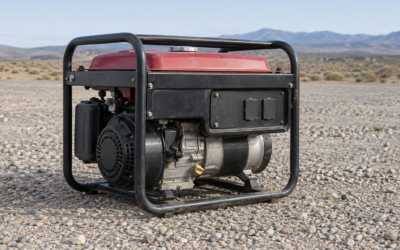
Portability is the biggest advantage. A 2,500-watt inverter generator may weigh approximately 40 to 60 pounds, making it manageable for one person. A pair can be carried separately, placed farther apart for ventilation, and stored on a shelf or in a closet when fully drained and prepared for storage. By contrast, a 10,000-watt portable generator can weigh 200 to 300 pounds and generally requires two people or a ramp to move safely.
Parallel setups also let you match capacity to the situation. You might run one generator for a refrigerator, internet equipment, lights, and phone chargers. When the microwave or a portable air conditioner is needed, start the second unit and connect the approved kit. This can reduce fuel use compared with operating a large engine at a very light load.
Inverter generators are typically a good choice for sensitive electronics because they produce cleaner, more stable power than many open-frame conventional generators. They also tend to reduce engine speed when demand is low, which can lower noise. That matters in a small yard, apartment-adjacent space, or campground.
Parallel generators can also spread out the purchase. A buyer might begin with one parallel-ready inverter and add a matching unit later. For example, the BILT HARD 2500W inverter generator is listed for under $300 and is designed for parallel use. A compatible connection system, such as the Champion Power Equipment 50-Amp ParaLINK Parallel Kit priced for under $80, can provide a path to combined output when used with suitable Champion generators. Compatibility is not universal, so the exact generator models, wattage ratings, receptacles, and kit instructions must match.
The tradeoff is setup. Both engines must be fueled, started, stabilized, connected correctly, and monitored. Two small generators also do not automatically provide 240-volt power for every home appliance. Confirm the output configuration before planning to run a well pump, electric range, heat pump, or central air-conditioning system.
Where Larger Generator Wins
A larger generator wins when your priority is capacity with fewer decisions. A 6,500-watt machine can often support a refrigerator, freezer, lights, internet equipment, a sump pump, and selected kitchen appliances, though starting surges still need to be calculated. Models with 120/240-volt output are particularly useful for equipment wired across both legs of a residential panel.
Large generators are also better suited to transfer-switch installations. Instead of running extension cords through doors and windows, a licensed electrician can connect selected circuits to an inlet and transfer equipment. That arrangement is safer and more convenient, but the generator must be placed outdoors, well away from doors, windows, and air intakes. Never operate any fuel-burning generator in a garage, basement, shed, or enclosed porch.
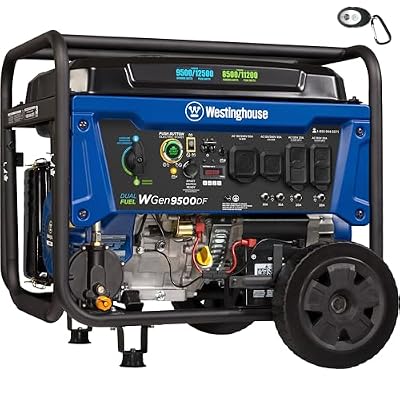
There is a wide range within the larger-generator category. The Honda EM6500SX is a 6,500-watt class option listed at $3,299, while the Westinghouse 12,500-watt dual-fuel model is listed at $999. Those prices illustrate why shoppers should compare more than wattage. Electric start, fuel type, 120/240-volt capability, transfer-switch readiness, run time, carbon-monoxide protection, warranty, and service availability can change the value substantially.
A larger generator can also be easier during a multi-day outage. One tank, one oil level, one control panel, and one maintenance schedule are simpler than managing two engines. The disadvantages are size, weight, storage, higher purchase cost in some premium models, and the temptation to run more appliances than the home’s circuits or fuel supply can safely support.
Cost Over 5 Years
Purchase price is only the beginning. A parallel setup commonly costs $600 to $2,000 for two inverter generators, plus approximately $50 to $150 for the connection kit. Higher-end inverter pairs can exceed $2,500. A larger portable generator commonly costs $900 to $3,500, although unusually inexpensive or premium models fall outside that range.
Fuel costs depend on load, fuel prices, engine efficiency, and outage frequency. At light loads, two small inverter generators may be economical if only one is operating. At higher loads, however, running two engines can use as much or more fuel than one properly sized larger engine. Dual-fuel models add propane flexibility, but propane often produces somewhat less output than gasoline and may require larger cylinders for extended use.
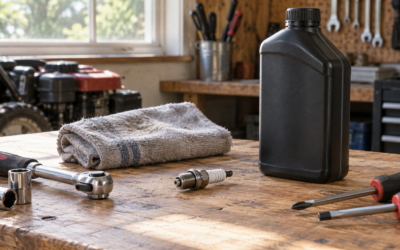
Over five years, budget for oil changes, air filters, spark plugs, fuel stabilizer, battery replacement for electric-start models, and occasional carburetor or fuel-system service. Two generators do not necessarily cost twice as much to maintain, but they do double the number of routine checks. Include a transfer switch or inlet, electrician labor, heavy-duty outdoor extension cords, weather protection that does not enclose the machine, and safe fuel storage. A realistic five-year ownership total can range from roughly $1,000 to $3,500 for a modest parallel setup and $1,500 to $5,000 or more for a larger home-backup system.
Which One for Your Home
Small apartment
A parallel-capable inverter generator is usually the more practical choice, provided local rules and landlord policies allow outdoor operation. Focus on a refrigerator, medical equipment, electronics, lights, and a small fan rather than attempting to power the apartment’s entire electrical system. In many urban settings, generator noise, balcony restrictions, and safe outdoor placement may make a battery power station a better alternative.
Family with kids and pets
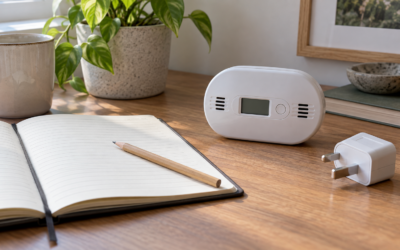
A larger generator is often preferable when the household needs refrigeration, heating controls, a sump pump, internet, lighting, and cooking appliances during an outage. Choose a model with carbon-monoxide shutoff, electric start, clear fuel information, and enough capacity for motor starting. A parallel system works well if storage and portability matter, but label the essential loads so nobody overloads the setup during a stressful outage.
Rental home
Portability favors parallel generators because you can take both units when you move. Avoid permanent electrical changes unless the landlord approves them and a qualified electrician performs the work. A compact inverter pair with a properly rated distribution solution may be easier for essential loads, but always check local fire rules, lease terms, and outdoor placement requirements.
Long-term home
For a homeowner planning to stay put, a larger generator connected to a professionally installed transfer switch is usually the cleaner long-term solution. Select output based on a load calculation rather than the home’s square footage. If the property has a well pump, septic system, electric heat, central air, or a workshop, verify voltage and starting-watt requirements before buying.
FAQ
Is it cheaper to run two generators in parallel?
Not always. One small generator may use less fuel at a very light load, while two units can be efficient when power needs vary. At heavy loads, a correctly sized larger generator may consume less fuel than two engines. Compare manufacturer fuel-use information at similar output levels.
Can any two generators be connected together?
No. They must be approved for parallel operation, and the models usually need to be compatible with the same kit or cable. Never improvise a connection between generators or combine different brands without explicit manufacturer approval.
Do parallel generators power a whole house?
They can support selected home circuits when connected through properly rated equipment, but many small inverter pairs provide only 120-volt output. Whole-home or 240-volt loads require a system specifically designed for that purpose and installed according to local electrical requirements.
How large should a home generator be?
List the running and starting watts of every appliance you may use at the same time. Add the largest motor-starting surge, then leave a practical margin. A licensed electrician can perform a load calculation and confirm whether a 120/240-volt transfer setup is appropriate.

Write Your Review
No reviews yet. Be the first to share your experience!