
🛒 Best Price Today on Amazon
Prime members get fast, free shipping on everything above, plus member-only deals. New members get a 30-day free trial — cancel anytime.
Ice fishing power is a small-watt, big-cold problem. Most of the electronics anglers use on the ice run on 12V batteries and draw only a few watts. The challenges come from subzero temperatures, confined shanties where exhaust can build up, and the occasional desire to run a heater, lights, a TV, or a coffee maker in a permanent or wheelhouse setup. This comparison looks at what ice anglers actually need and where a generator or power station makes sense.
Common ice fishing loads
| Load | Typical draw | Energy per 8-hour day |
|---|---|---|
| Flasher or sonar unit (12V) | 5–15W | 40–120Wh |
| Underwater camera | 5–15W | 40–120Wh |
| LED shanty lights | 5–20W | 40–160Wh |
| Phone and radio charging | 10–20W | 30–80Wh |
| Electric auger battery recharge | 100–300W charger | 100–400Wh per recharge |
| 12V heated clothing or seats | 20–60W | 100–400Wh |
| Small TV in wheelhouse | 30–60W | 120–300Wh (4 h) |
| Coffee maker or kettle | 800–1,500W | 100–250Wh |
| 1,500W electric heater | 1,500W | 12 kWh |
Most day trips need 200 to 800Wh. Heaters are the exception: electric heat drains batteries in minutes, which is why most anglers use propane heaters designed for shanties with proper ventilation.
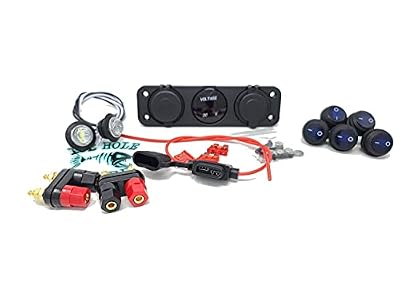
Ice Hole Power Portable Power Box Component Kit - The Original 12v Power Station DIY Kit (Box/Battery Not Included)
Included for 'Best Power Solution for Ice Fishing: Generator or Power Station?' as a relevant option in this category; details come from the product listing.
View on Amazon
P5000 Plus 5120Wh Portable Power Station, 3600W Solar Generator
Included for 'Best Power Solution for Ice Fishing: Generator or Power Station?' because the listing specifies 3600W Solar Generator, details this guide uses to compare options.
View on Amazon
3600W Portable Power Station PowerMax 3600 PE with 200W Solar Panel
Included for 'Best Power Solution for Ice Fishing: Generator or Power Station?' as a relevant option in this category; details come from the product listing.
View on Amazon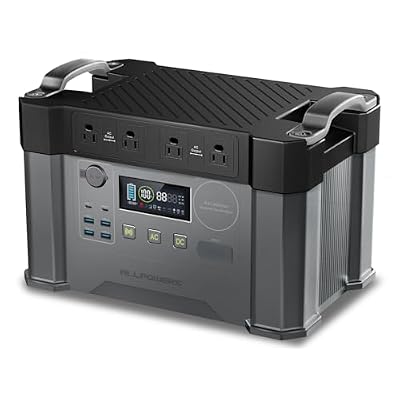
ALLPOWERS S2000 PRO Portable Power Station, 1452Wh 2400W Solar Generator
Included for 'Best Power Solution for Ice Fishing: Generator or Power Station?' because the listing specifies 1452Wh 2400W Solar Generator, details this guide uses to compare options.
View on AmazonThe power station case
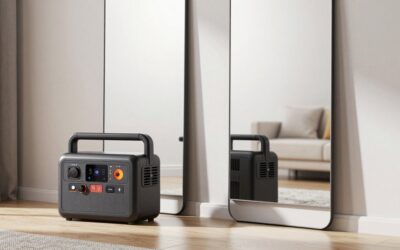
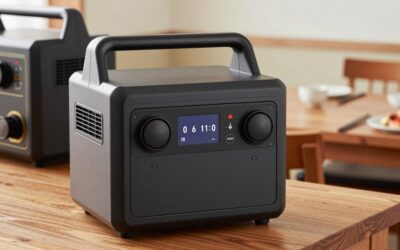
A 300 to 1,000Wh power station covers flasher, camera, lights, and charging for a full day or a weekend. It is silent, which matters on the ice, and it produces no exhaust inside a shanty. It can also run 12V heated gear, charge an electric auger battery midday, and power a small TV in a wheelhouse.
Cold is the main limitation
Lithium batteries deliver less capacity in extreme cold and generally cannot be charged below about 32 degrees Fahrenheit. At 0 degrees, usable capacity may drop 20 to 40 percent depending on the chemistry. Keep the station inside the heated shanty, insulated from the ice with a foam pad, and bring it inside to warm up before recharging.
The generator case
For wheelhouses and permanent shanties used for multi-day trips, a small inverter generator can power lights, a TV, a microwave or coffee maker, and battery chargers without worrying about capacity. It also recharges power stations and auger batteries quickly.
The carbon monoxide danger
Running a generator inside or immediately next to a shanty is extremely dangerous. Carbon monoxide builds quickly in small enclosed spaces and has caused deaths among ice anglers. A generator must run outside, well away from the shanty door and any vents, downwind, with a CO alarm inside the shelter. Snowbanks and wind can redirect exhaust, so check placement often.
Noise on the ice
Engine noise and vibration may carry through ice and water. Many anglers believe this can affect fish in shallow water, and neighbors in shanty villages appreciate quiet. Keep the generator as far away as your cord allows.
Comparison for common ice fishing setups
| Setup | Daily energy | Best power source |
|---|---|---|
| Day trip, portable flip-over shanty | 150–500Wh | Flasher battery plus 300–500Wh station |
| Weekend in hub shanty | 500–1,500Wh | 1,000Wh station, kept warm |
| Wheelhouse with TV and small appliances | 1.5–4 kWh | Inverter generator plus station |
| Permanent shanty with electric heat | 10+ kWh | Generator, but propane heat is far more practical |
Heating: power is not the answer
A 1,500W electric heater would drain a 2,000Wh station in just over an hour. Heating is best handled with properly vented propane heaters designed for enclosed ice shelters, used with fresh-air ventilation and CO alarms. Batteries and generators are better reserved for electronics, lights, and small appliances.
Getting more from a battery on the ice
A few habits stretch a small station much further. Run the flasher and camera from their own 12V leads instead of through the AC inverter, which avoids 10 to 15 percent conversion losses. Turn off the station’s AC output when nothing needs it, since an idle inverter can draw 10 to 25W on its own. Recharge auger batteries at home the night before rather than on the ice. And set the station on a foam pad or cooler lid, never directly on the ice floor, where it loses heat fastest.
FAQ
Can a power station run a flasher all day?
Easily. A flasher draws about 5 to 15W, so even a 300Wh station runs it for well over a full day. Most anglers also carry the flasher’s dedicated battery as a backup.
Can I run a generator inside my ice shack if the door is open?
No. Carbon monoxide can reach dangerous levels quickly even with a door open. Always run generators outside, downwind, and away from the shanty, and use a CO alarm inside.
Bottom line
For most ice fishing, a 300 to 1,000Wh power station kept warm inside the shanty is the best power source: silent, safe, and more than enough for electronics, lights, and charging. Add a small inverter generator only for wheelhouse comforts and multi-day trips, run it well outside the shelter, and leave heating to a vented propane heater.


Write Your Review
No reviews yet. Be the first to share your experience!