
🛒 Best Price Today on Amazon
Prime members get fast, free shipping on everything above, plus member-only deals. New members get a 30-day free trial — cancel anytime.
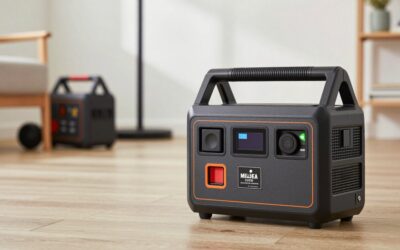
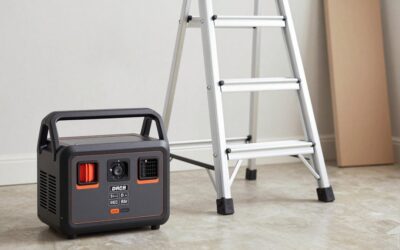
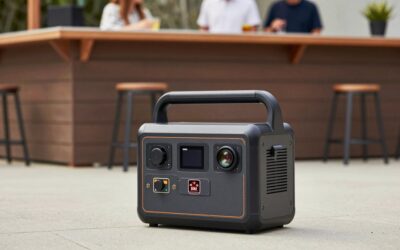
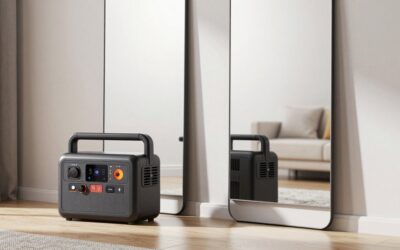
The River 3 is one of the smallest AC power stations EcoFlow makes, and owners regularly ask whether it can keep the fridge alive during an outage. The honest answer depends on which fridge. A full-size kitchen refrigerator is almost certainly out of reach, a dorm-style mini fridge is possible for a few hours, and a 12V compressor cooler is where this little battery genuinely shines. Here is the math behind each case so you can decide before the power goes out, not during.
The numbers that decide it
EcoFlow rates the River 3 at about 245Wh of LiFePO4 capacity with a 300W AC inverter, a 600W surge ceiling, and an X-Boost mode intended for resistive devices such as kettles and heaters. Always check the current listing, because regional versions differ. After inverter losses, plan on roughly 200 to 215Wh of usable AC energy.
Running watts versus startup surge
A refrigerator compressor might run at 100 to 200W, but the instant it starts it can pull three to six times that for a fraction of a second. That startup spike is the real test. A modern full-size fridge can spike past 600 to 1,000W, which is above the River 3’s ceiling, so the inverter protects itself and shuts the output down. X-Boost does not help here because it works by lowering voltage, which motors handle badly.
What kind of fridge could work
| Appliance | Typical running draw | Typical daily use | River 3 outcome |
|---|---|---|---|
| Full-size fridge, 18-22 cu ft | 100-200W | 1.0-1.8kWh | Startup surge likely exceeds 600W; not recommended |
| Compact fridge, 3-4.5 cu ft | 60-90W | 0.5-0.8kWh | May start; roughly 6-9 hours if it does |
| 12V compressor cooler, 40-50 qt | 35-50W while running | 0.25-0.45kWh | About 11-20 hours via the car port |
| Thermoelectric cooler | 45-60W constant | 1.0-1.4kWh | About 4 hours; inefficient choice |
Those runtimes use the 200 to 215Wh usable figure and assume the compressor cycles on about a third to half of the time, which is normal for a closed fridge in a cool kitchen.
Why the 12V cooler wins
Running a 12V compressor cooler directly from the River 3’s car outlet skips the AC inverter entirely, which avoids 10 to 15 percent in conversion losses and removes the surge problem because DC compressors start softly. For camping, road trips, or keeping insulin and a few days of food cold, that pairing is the best use of a small station.
A realistic outage plan with a River 3
If you only own a River 3 and the grid drops, do not try to run the kitchen fridge all night. Keep the doors shut instead. The USDA guidance is that a closed refrigerator keeps food safe for about four hours, and a full freezer for about 48 hours. Use the River 3 to charge phones, power a router and a lamp, and, if you have one, a compact fridge or 12V cooler holding medication and the most perishable items. Transfer milk, meat, and leftovers to the cooler once the main fridge passes the four-hour mark.
Recharging to extend the plan
The River 3 accepts roughly 110W of solar input, so a 100W-class panel in good sun can return most of its capacity in a long afternoon. That makes a compact fridge or cooler sustainable over several days if the weather cooperates. If you top up from a gas generator instead, the generator must run outdoors at least 20 feet from doors and windows, never in a garage or on a porch, because carbon monoxide builds up fast.
Keeping the battery healthy
- Store the River 3 at around 50 to 80 percent charge and top it up every few months so it is ready when needed.
- Avoid charging below about 32°F; LiFePO4 cells can be damaged by cold charging.
- Give it airflow. A station tucked behind a fridge in a warm corner will throttle and age faster.
- Never plug any power station into a wall outlet to feed house wiring. Home backup needs a transfer switch installed by a licensed electrician.
FAQ
Will X-Boost let the River 3 start my full-size fridge?
Unlikely. X-Boost is designed for resistive loads and works by reducing voltage. Compressor motors need full voltage to start, so X-Boost can make a failed start more likely, not less.
How do I know my fridge’s startup surge?
The label rarely lists it. A plug-in watt meter shows running watts but usually misses the spike. As a rule of thumb, budget three to five times the running wattage and check with the manufacturer if you need certainty.
Bottom line
The River 3 is not a refrigerator backup for a household kitchen. Its 300W inverter and 245Wh battery suit a compact fridge for a few hours or a 12V compressor cooler for most of a day. For a full-size fridge through a long outage, look at stations with at least 1kWh of capacity and a 1,500W-plus inverter, and confirm the startup surge rating on the current spec sheet.


Write Your Review
No reviews yet. Be the first to share your experience!